Cloud Security Posture Management: Securing Your Digital Transformation

As organizations continue to migrate workloads to the cloud, maintaining a strong security posture becomes increasingly challenging. Cloud Security Posture Management (CSPM) has emerged as a critical discipline for identifying and remediating cloud configuration risks. This article explores best practices for implementing effective CSPM across multi-cloud environments.
Understanding Cloud Security Posture Management
CSPM encompasses the tools, processes, and policies used to identify, assess, and remediate security risks in cloud infrastructure. Unlike traditional security approaches focused on perimeter defense, CSPM addresses the unique challenges of cloud environments, including shared responsibility models, rapid provisioning, and infrastructure-as-code deployments.
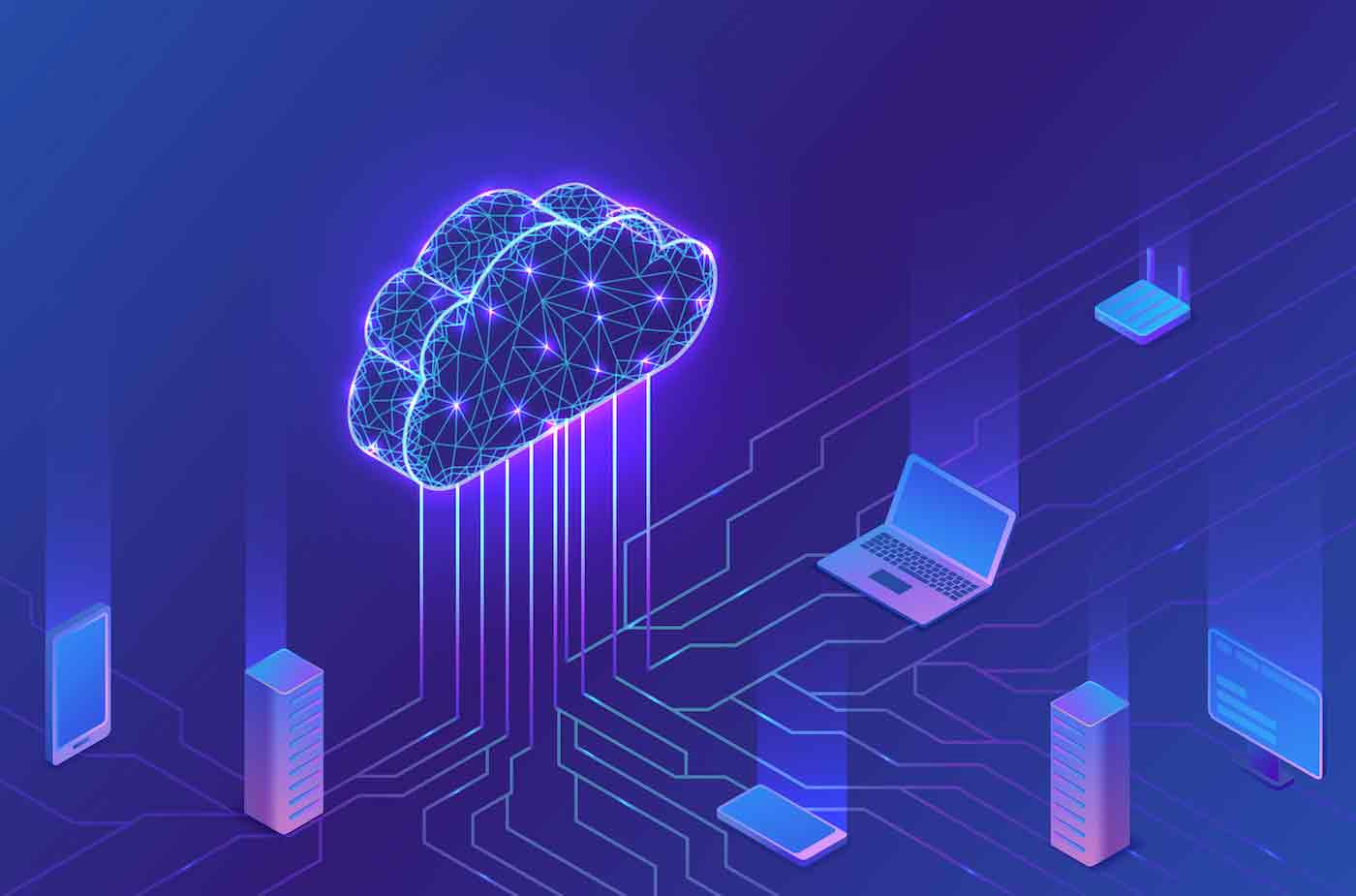
A comprehensive CSPM framework addresses configuration, compliance, and threat detection
Common Cloud Misconfigurations
Cloud misconfigurations represent one of the most significant security risks in modern environments. These issues often result from human error, lack of cloud security expertise, or inadequate governance processes.
- Excessive permissions and inadequate IAM controls
- Publicly exposed storage buckets and databases
- Unencrypted data at rest and in transit
- Disabled logging and monitoring capabilities
- Insecure network configurations and open security groups
Implementing Continuous Compliance Monitoring
Effective CSPM requires continuous monitoring of cloud resources against security policies and compliance frameworks. Organizations should implement automated scanning to detect drift from secure baselines and remediate issues promptly.
# Example Terraform code for AWS S3 bucket with secure configuration
resource "aws_s3_bucket" "compliant_bucket" {
  bucket = "example-secure-bucket"
  acl    = "private"

  server_side_encryption_configuration {
    rule {
      apply_server_side_encryption_by_default {
        sse_algorithm = "AES256"
      }
    }
  }

  versioning {
    enabled = true
  }

  logging {
    target_bucket = aws_s3_bucket.log_bucket.id
    target_prefix = "log/"
  }
}
Cloud-Native Security Controls
Organizations should leverage cloud-native security services provided by their cloud service providers (CSPs) while supplementing with third-party CSPM solutions for comprehensive coverage and multi-cloud environments.

A well-designed multi-cloud security architecture leverages both native and third-party controls
DevSecOps Integration
Integrating CSPM into DevSecOps workflows enables organizations to identify and remediate security issues early in the development lifecycle. By implementing infrastructure-as-code scanning, organizations can prevent misconfigurations before resources are deployed to production environments.
Cloud Security Posture Management is not a one-time implementation but an ongoing program that must evolve alongside your cloud adoption journey. By following these best practices, organizations can significantly reduce their cloud security risks and maintain compliance across complex multi-cloud environments.