SOC Analyst Burnout is Real — and Fixable: Restoring Sustainability in Modern Cybersecurity Operations

Burnout is often framed as a personal or psychological issue, but within the context of Security Operations Centers (SOCs), it poses a strategic threat to an organization's very ability to defend itself. SOCs are the front line of cyber defense — and the humans behind the screens, consoles, and dashboards are the most critical component. But what happens when those humans are overwhelmed, disillusioned, or disengaged?
Burnout among SOC analysts has reached epidemic proportions. Long hours, monotonous tasks, alert overload, and the constant fear of missing something critical have created an environment where even the most skilled professionals struggle to maintain focus and motivation. The result is not only personal hardship for individuals but also organizational vulnerability on a systemic level.
In this article, we'll explore the realities of analyst burnout — what causes it, how it manifests, and why it matters to everyone from SOC managers to CISOs. More importantly, we'll discuss how intelligent automation, particularly through machine learning (ML) and large language models (LLMs), can alleviate the cognitive load and restore purpose and effectiveness to security operations.

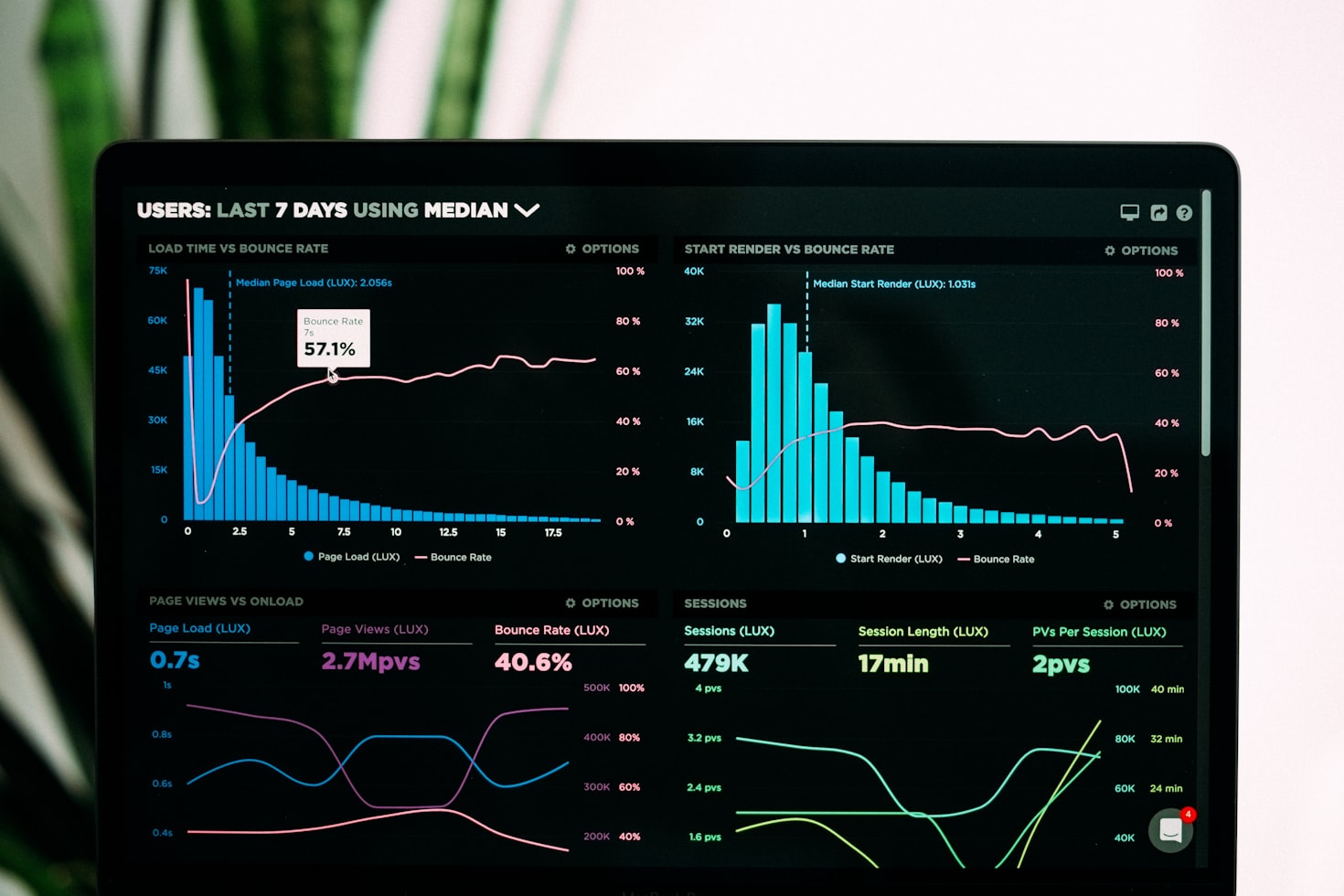
SOC analyst burnout has reached epidemic proportions, threatening organizational cybersecurity capabilities
The Portrait of a Burned-Out SOC Analyst
Burnout doesn't happen overnight. It's a slow erosion of energy, enthusiasm, and mental clarity. And in the SOC, the warning signs are everywhere.
A Typical Day
An analyst logs into their console and is immediately greeted by an unmanageable queue of alerts. Some are duplicates. Some are poorly enriched. Many are false positives. The analyst spends hours clicking through tickets, copy-pasting data into other tools, writing up summaries for incidents that feel formulaic, and documenting their responses. There's little time for proactive investigation, and even less time for learning or collaboration.
The Psychological Toll
- Constant stress from the 'what if I miss something?' mindset
- Alert fatigue leading to desensitization and disengagement
- Lack of recognition for preventing incidents (only punished for those not caught)
- Low sense of impact or professional growth
- Sleep disruption from 24/7 shifts or on-call rotations
Organizational Symptoms
- High turnover rates and difficulty retaining top talent
- Delays in triage and response
- Inconsistent decision-making across analysts
- Reliance on tribal knowledge and undocumented workflows
Burnout in the SOC isn't a theoretical problem. It's a measurable drag on performance, a contributor to incidents, and a recruiting and retention crisis.
Root Causes of Burnout in the SOC
While many industries experience burnout, the SOC has unique contributing factors:
1. Alert Overload
Analysts are expected to review and triage thousands of alerts daily. Many of these alerts are noise — lacking context or relevance — but all demand attention, lest something critical be missed.
2. Manual, Repetitive Tasks
Analysts often perform tasks that could be automated: data enrichment, log review, report writing, and correlation. This leads to cognitive fatigue and underutilization of human skill.
3. Constant Vigilance
The stakes are high. A single missed alert could mean a breach, reputational damage, or regulatory fallout. This constant high-alert mindset is mentally exhausting.
4. Lack of Empowerment
Rigid playbooks, siloed tools, and lack of decision-making authority can make analysts feel like cogs in a machine — rather than empowered defenders.
5. Insufficient Career Development
SOCs often fail to provide clear pathways for growth. Burned-out analysts see no future in the role, only more of the same.
# Burnout Risk Assessment Framework
def assess_burnout_risk(analyst_metrics):
    risk_score = 0

    # Alert volume stress
    if analyst_metrics.daily_alerts > 500:
        risk_score += 30
    elif analyst_metrics.daily_alerts > 200:
        risk_score += 15

    # Manual task burden
    manual_task_ratio = analyst_metrics.manual_tasks / analyst_metrics.total_tasks
    if manual_task_ratio > 0.8:
        risk_score += 25
    elif manual_task_ratio > 0.6:
        risk_score += 15

    # Work-life balance indicators
    if analyst_metrics.overtime_hours > 10:
        risk_score += 20

    # Career development opportunities
    if analyst_metrics.training_hours_last_quarter < 8:
        risk_score += 15

    # Determine risk level
    if risk_score >= 70:
        return "HIGH_RISK"
    elif risk_score >= 40:
        return "MODERATE_RISK"
    else:
        return "LOW_RISK"
The Case for Automation as Analyst Augmentation
Automation is often viewed skeptically in SOCs — feared as a replacement for human analysts. But when done right, automation is a support system, not a substitute. It handles the high-volume, low-complexity tasks so humans can focus on what they do best: thinking critically, investigating deeply, and adapting creatively.
ML in Burnout Reduction
Machine learning models can:
- Automatically classify alerts based on past triage outcomes
- Suppress known false positives
- Cluster related alerts to reduce duplication
- Prioritize incidents based on asset value, user behavior, and threat intelligence
This reduces the number of alerts that actually require human review — often by 60% to 90% — giving analysts breathing room and restoring focus.
LLMs as Cognitive Assistants
Large language models add another layer of relief by handling communication and synthesis tasks:
- Summarizing alerts and incidents in plain English
- Drafting incident reports and postmortems
- Translating technical events into business language
- Suggesting likely next steps based on observed behavior
By turning raw data into comprehensible narratives, LLMs remove one of the most mentally taxing parts of the analyst's job: interpretation and documentation.
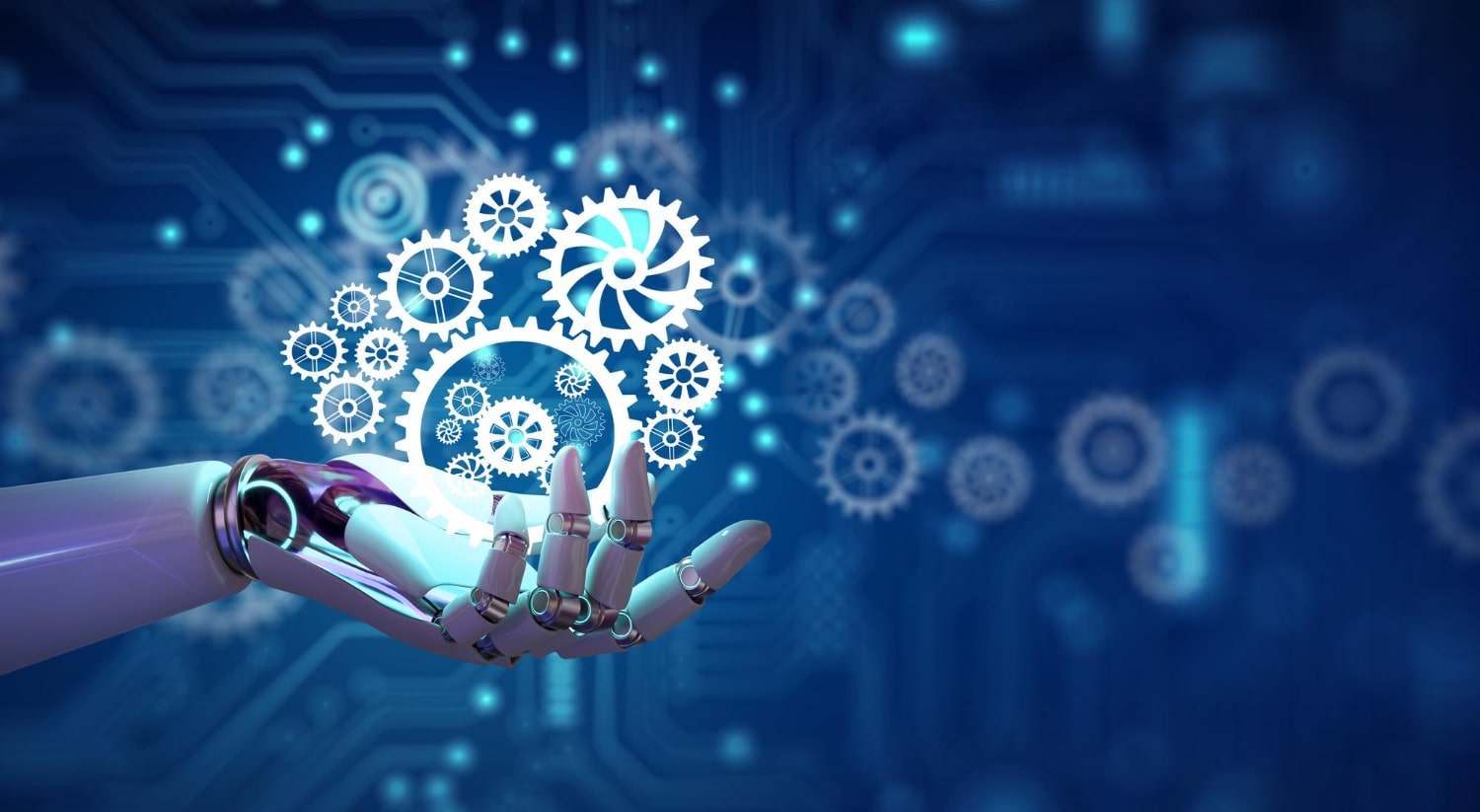
Intelligent automation serves as analyst augmentation, not replacement, enabling focus on high-value activities
# Example of ML-driven alert triage automation
class AlertTriageAutomation:
    def __init__(self, ml_model, llm_assistant):
        self.classifier = ml_model
        self.assistant = llm_assistant

    def process_alert_queue(self, alerts):
        processed_alerts = []

        for alert in alerts:
            # ML classification
            classification = self.classifier.predict(alert.features)
            confidence = self.classifier.predict_proba(alert.features).max()

            if classification == "false_positive" and confidence > 0.9:
                # Auto-close with explanation
                alert.status = "closed"
                alert.reason = "Automatically classified as false positive"

            elif classification == "low_priority" and confidence > 0.8:
                # Queue for batch review
                alert.priority = "low"
                alert.batch_review = True

            else:
                # Enrich with LLM summary for analyst review
                alert.ai_summary = self.assistant.summarize_alert(alert)
                alert.suggested_actions = self.assistant.suggest_actions(alert)
                processed_alerts.append(alert)

        return processed_alerts
Human-in-the-Loop: Keeping People at the Center
The most effective SOCs strike a balance between automation and human oversight — a model known as human-in-the-loop.
Key Practices
- Analysts validate and fine-tune ML model outputs
- LLM-generated summaries are reviewed and edited, not blindly accepted
- Feedback loops are used to train and improve automation tools
- Playbooks incorporate analyst discretion at key decision points
- Escalations can be overridden based on intuition or emerging insight
This approach ensures that automation is trustworthy, accountable, and adaptive — without disempowering the humans it's meant to assist.
Cultural Shifts and Operational Improvements
Burnout reduction isn't just about technology. It requires a cultural shift and better operational design.
Organizational Strategies
- Set realistic alert volume expectations
- Rotate roles to prevent monotony
- Provide dedicated time for research and skill-building
- Celebrate proactive threat hunting, not just reactive triage
- Foster collaboration, not heroism
- Implement flexible work arrangements where possible
- Create clear career progression pathways
- Invest in analyst training and certification programs
When combined with automation, these strategies create a more sustainable and attractive career path for analysts.

Cultural shifts toward collaboration and empowerment are essential for sustainable SOC operations
The Business Case for Addressing Burnout
Addressing analyst burnout isn't just about employee welfare — it's a business imperative with measurable returns:
- Reduced recruitment and training costs from lower turnover
- Improved incident response times and accuracy
- Better threat detection through engaged, focused analysts
- Enhanced organizational resilience and security posture
- Increased analyst productivity and job satisfaction
- Reduced risk of security incidents due to human error
# ROI Calculation for Burnout Reduction Initiatives
def calculate_burnout_reduction_roi(baseline_metrics, improved_metrics):
    # Cost savings from reduced turnover
    turnover_savings = (
        baseline_metrics.annual_turnover_rate - improved_metrics.annual_turnover_rate
    ) * baseline_metrics.avg_replacement_cost

    # Productivity gains
    productivity_gain = (
        improved_metrics.alerts_processed_per_hour -
        baseline_metrics.alerts_processed_per_hour
    ) * baseline_metrics.analyst_hourly_cost * 2080  # Annual hours

    # Incident response improvements
    incident_cost_reduction = (
        baseline_metrics.avg_incident_cost - improved_metrics.avg_incident_cost
    ) * baseline_metrics.annual_incidents

    total_benefits = turnover_savings + productivity_gain + incident_cost_reduction

    # Calculate ROI
    roi_percentage = (total_benefits / baseline_metrics.automation_investment) * 100

    return {
        "total_benefits": total_benefits,
        "roi_percentage": roi_percentage,
        "payback_period_months": baseline_metrics.automation_investment / (total_benefits / 12)
    }
Metrics That Matter
Reducing burnout isn't just about analyst well-being — it's measurable:
- Alert-to-resolution time: decreases with intelligent triage
- Escalation accuracy: increases when low-value noise is filtered
- Analyst retention: improves with meaningful work and growth opportunities
- Incident response speed: improves with LLM-assisted playbooks
- Team morale: boosts when analysts feel supported and valued
- False positive rate: decreases with ML-powered classification
- Time spent on documentation: reduces with automated report generation
Implementation Roadmap
Organizations looking to address analyst burnout should follow a structured approach:
- Phase 1: Assess current burnout levels and identify primary pain points
- Phase 2: Implement basic automation for repetitive tasks
- Phase 3: Deploy ML models for alert classification and prioritization
- Phase 4: Integrate LLM assistants for documentation and communication
- Phase 5: Establish feedback loops and continuous improvement processes
- Phase 6: Expand automation capabilities and cultural transformation
Success Stories and Lessons Learned
Organizations that have successfully addressed analyst burnout through intelligent automation report significant improvements:
- 60-90% reduction in alert volume requiring human review
- 50% improvement in analyst job satisfaction scores
- 40% reduction in time-to-resolution for security incidents
- 70% decrease in analyst turnover rates
- 3x increase in proactive threat hunting activities
- Significant improvements in work-life balance metrics

Organizations implementing intelligent automation report dramatic improvements in analyst satisfaction and retention
The Future of Sustainable SOC Operations
The future of SOC operations lies in creating sustainable, human-centered environments where technology amplifies human capabilities rather than overwhelming them. This includes:
- AI-powered assistants that handle routine tasks
- Predictive analytics that anticipate analyst workload
- Personalized learning systems that adapt to individual analyst needs
- Collaborative platforms that facilitate knowledge sharing
- Wellness monitoring systems that detect early signs of burnout
- Flexible work arrangements enabled by cloud-based SOC platforms
Conclusion
Burnout in the SOC is real. It's pervasive, damaging, and — most importantly — preventable. The solution isn't to replace human analysts, but to liberate them. To give them the tools to work smarter, not harder. To reduce their cognitive load, not their responsibilities. To empower them to focus on what matters, not drown in what doesn't.
ML and LLMs offer this path. They don't make analysts obsolete — they make them more effective, more engaged, and more sustainable. And in an era where cyber threats evolve daily, human sustainability is cybersecurity resilience.
The future of the SOC is human-centered — powered by machines, protected by people. Organizations that recognize this and invest in both technology and their people will not only reduce burnout but will build more resilient, effective, and sustainable security operations.
Because at the end of the day, cybersecurity is fundamentally about people protecting people. And those protectors deserve to thrive, not just survive.